Products Mentioned in this Review
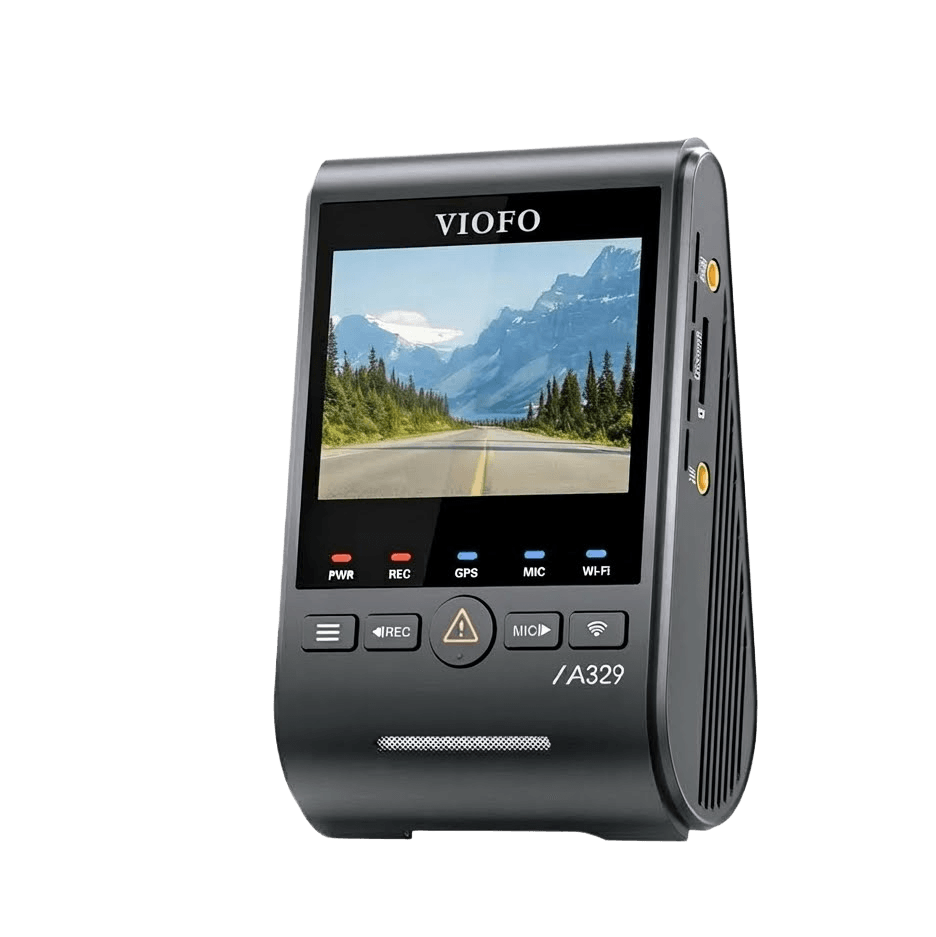
Viofo A329S
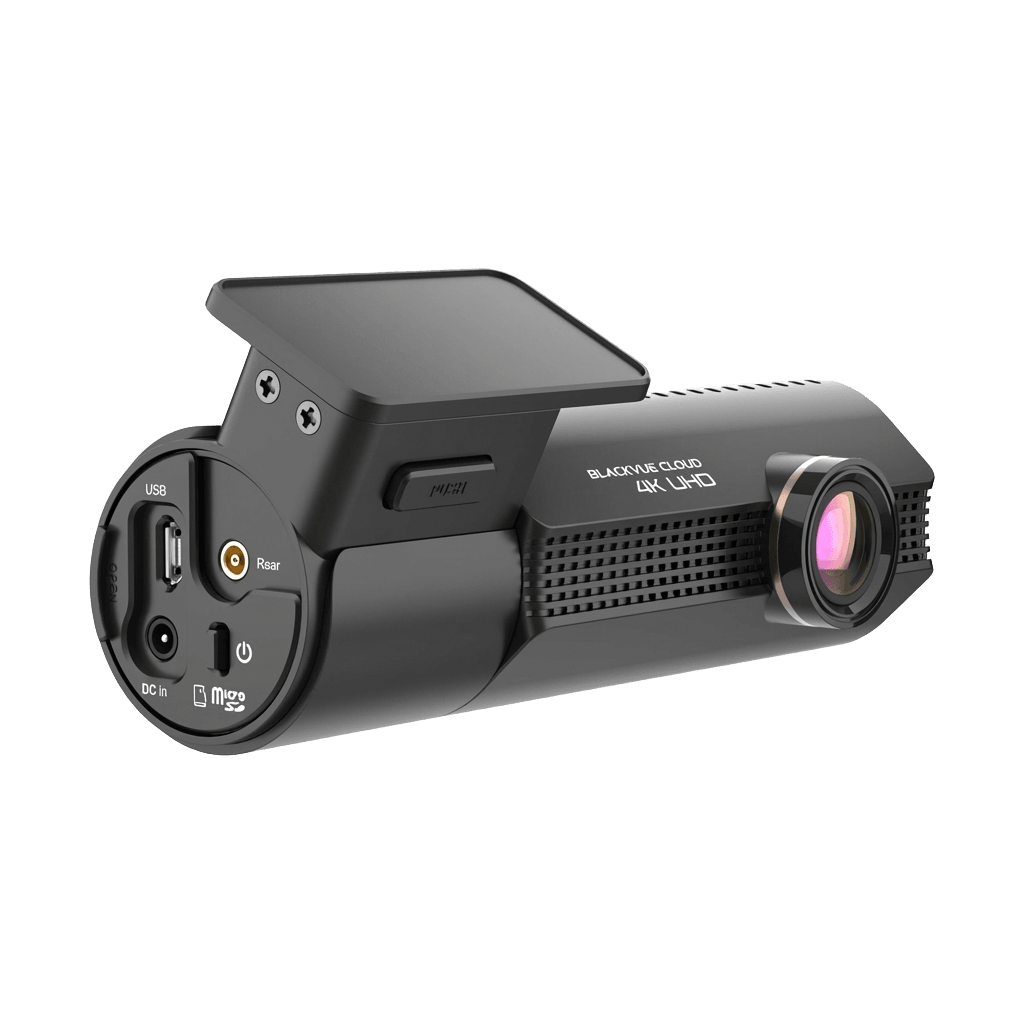
BlackVue Elite 9-2CH
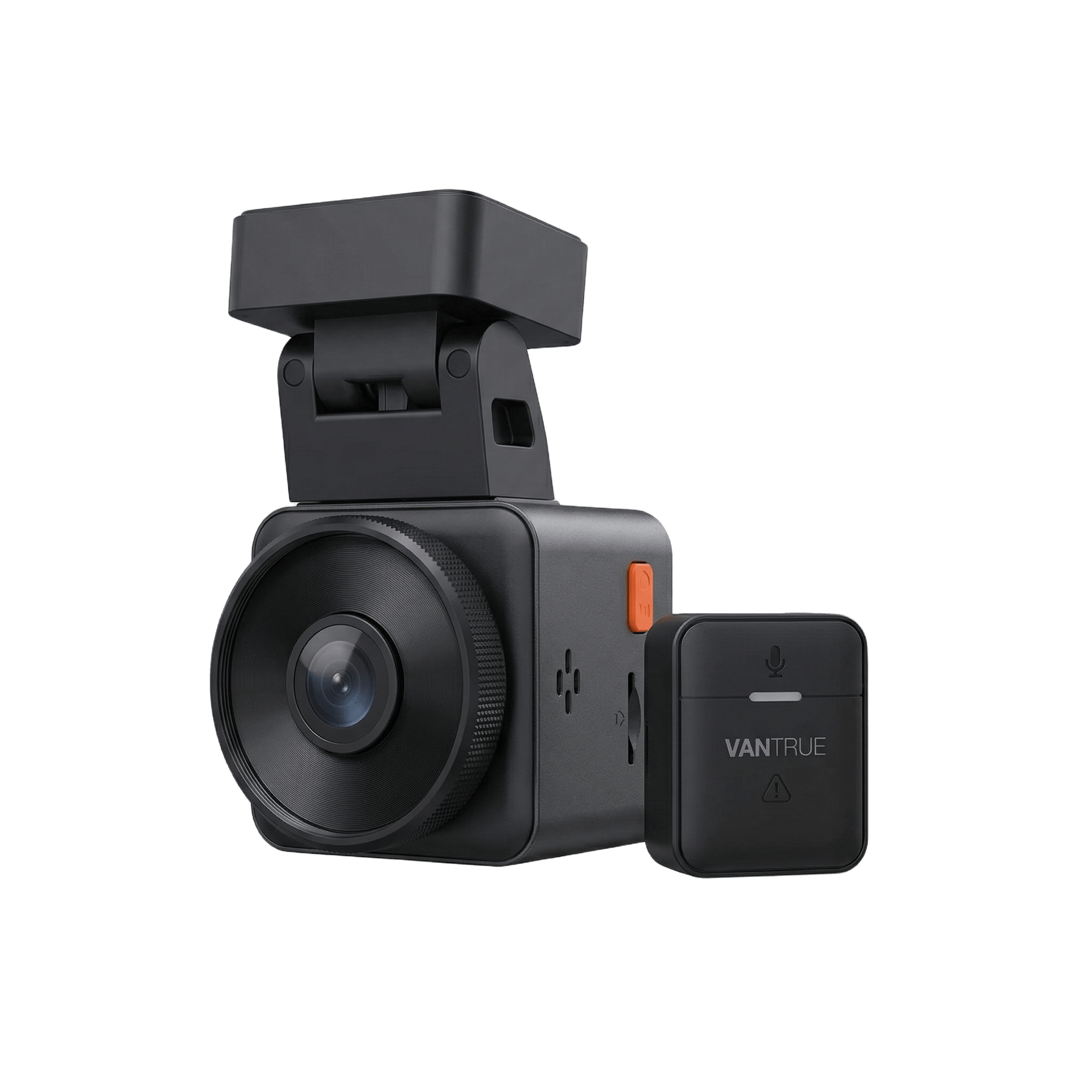
Vantrue E1 Pro 4K
Vantrue N5S
Why your next dash cam purchase should be your last
A rear-end collision. A staged insurance scam. A hit-and-run on a parking garage level where no one saw a thing. These are not edge cases — they happen to ordinary drivers every day, and the difference between a resolved claim and a disputed one is often a single piece of footage.
The 2026 dash cam market has matured to a point where the technology gap between a $129 camera and a $495 camera is narrower than it has ever been. Sony STARVIS 2 sensors — once exclusive to flagship models — now appear in compact budget units. HEVC compression, Wi-Fi 6, and ultra-low-power parking modes are no longer premium features. This guide picks one camera per category and tells you exactly why it beats everything else in its lane.
Our 4 picks at a glance
- Best Overall: Viofo A329S ($429) — 4K 60fps, STARVIS 2 both channels, hybrid parking mode, Wi-Fi 6. The consensus pick from Vortex Radar, Wirecutter, and DashCamTalk for 2026.
- Best Cloud/Connected: BlackVue Elite 9-2CH ($495) — 4K HDR front + 2K HDR rear, HEVC 12-bit capture, ultra-low 1mA parking mode, optional LTE cloud connectivity. Vortex Radar's pick for cloud-capable cameras in 2026.
- Best Compact/Budget: Vantrue E1 Pro 4K ($129) — True 4K STARVIS 2, CPL filter included, coin-sized body, 158-degree FOV. CNET Best Overall pick. Best value front-only camera on the market.
- Best for Rideshare/Fleet: Vantrue N5S ($299) — Four STARVIS 2 channels, dual interior IR cameras, 1TB storage, AI driver assistance. No competitor matches this four-channel spec at this price.
Viofo A329S: still the benchmark
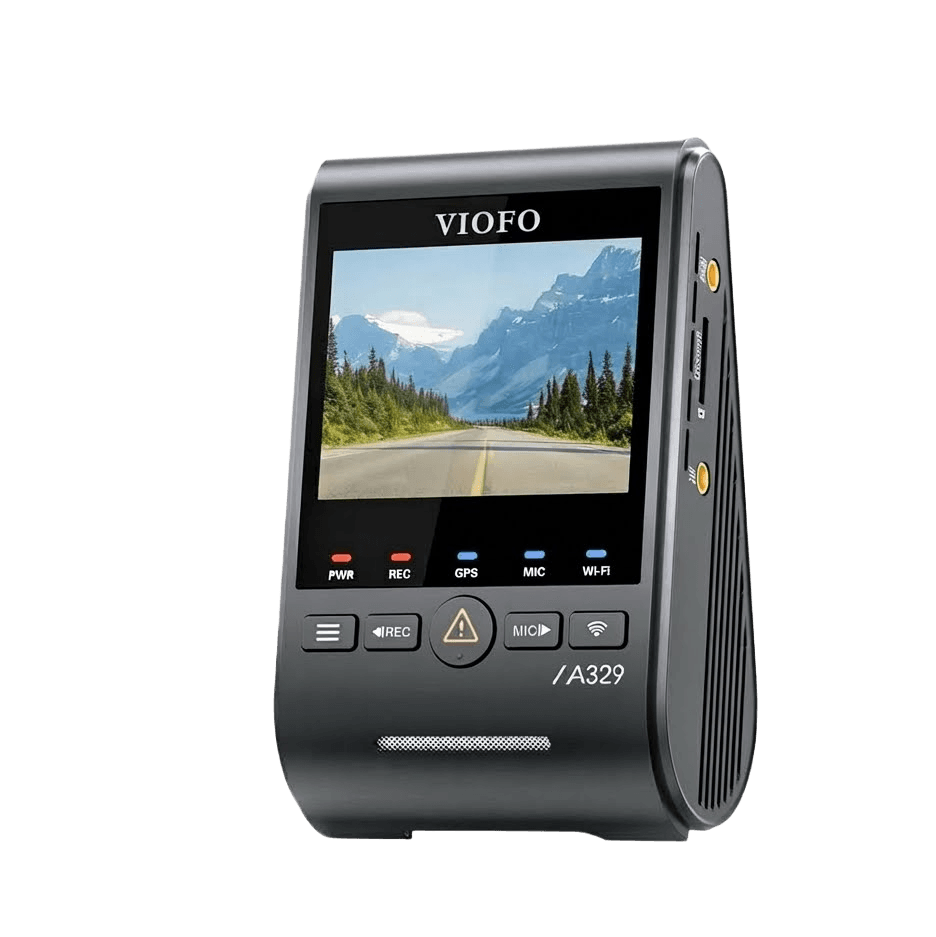
Viofo A329S
The A329S earns its top spot through sheer footage quality. The Sony STARVIS 2 IMX678 sensor records at 4K and 60 frames per second — the only camera on this list to hit 60fps at 4K. That extra smoothness matters when reviewing fast-moving footage: you can slow it down to half speed and still read plates cleanly. The 2K HDR rear camera uses the IMX675 sensor, and both channels record simultaneously with no quality compromise.
The hybrid parking mode is the standout feature that reviewers keep returning to. Rather than hammering your car battery with continuous recording, the A329S transitions to an ultra-low-power standby state drawing less than 1mA — roughly 100 times less than a standard parking mode. It wakes in under a second on impact. For drivers who travel frequently and leave their car parked for days at a time, this addresses the single most common complaint about hardwired dash cams.
The trade-offs: no cloud, steeper installation, and build quality that does not feel as premium as the price tag suggests. All worth accepting for the footage quality you get in return.
BlackVue Elite 9-2CH: cloud and clarity, finally together
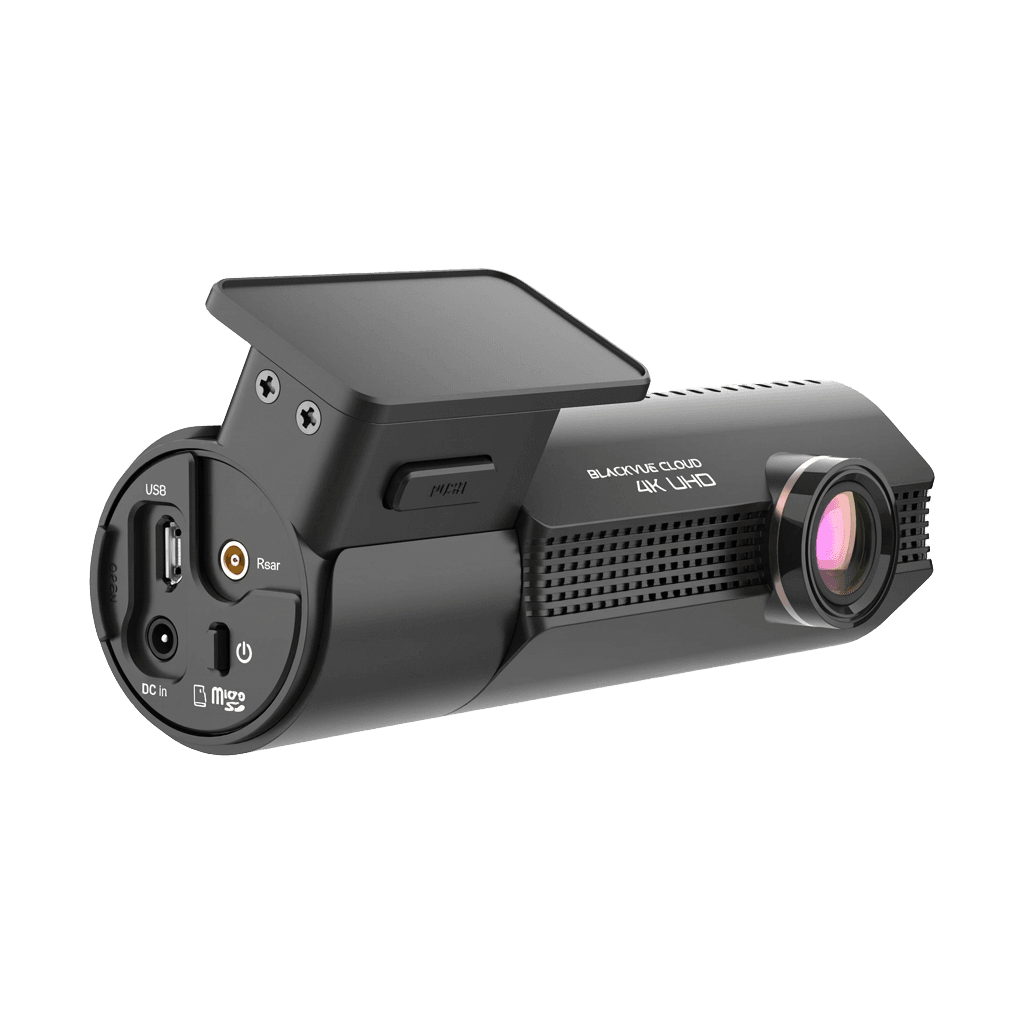
BlackVue Elite 9-2CH
For years, the dash cam community made a reluctant compromise: cameras with good cloud connectivity had mediocre video quality, and cameras with great video quality had no cloud at all. The BlackVue Elite 9-2CH ends that compromise. Vortex Radar tested it in December 2025 and concluded that the Elite 9 is the first BlackVue he has run where he does not feel the need to also run a Viofo alongside it for footage quality.
The technical differentiator is BlackVue's 12-bit capture pipeline. The camera records raw data at 12-bit color depth (over 68 billion colors), then processes and outputs an HEVC 8-bit file. The result is video with better tonal gradations and less noise in shadows and highlights than cameras that capture natively at 8-bit. Combined with dual HDR on both front and rear cameras, the Elite 9 handles the tunnels, bright-sun exits, and nighttime backlit scenarios where most cameras clip or crush.
The LTE module ($135 extra) connects the camera to BlackVue Cloud, powered by Amazon Web Services, enabling Live View from anywhere, push notifications on impact, GPS tracking, and two-way voice communication. The free cloud tier is genuinely useful; the paid Lite and Standard plans add longer retention and fleet analytics.
Vantrue E1 Pro 4K: the $129 camera that should not exist
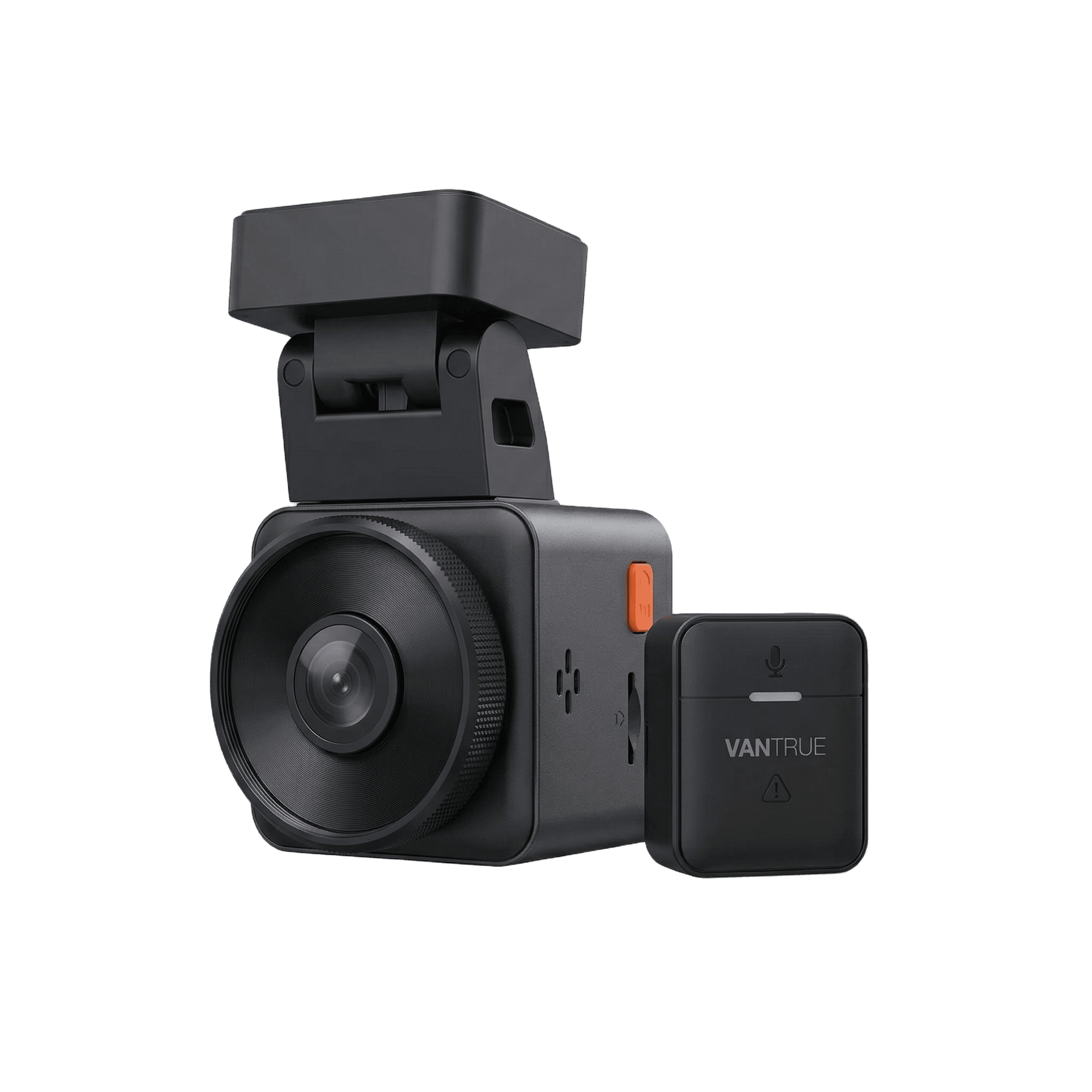
Vantrue E1 Pro 4K
Twelve months ago, a compact front-only dash cam with a Sony STARVIS 2 IMX678 sensor, true 4K recording, a CPL filter, GPS, 5GHz Wi-Fi, and buffered parking mode would have cost $250 or more. The Vantrue E1 Pro 4K does all of that for $129. CNET named it their Best Overall pick. DashCamTalk reviewed it and called it real 4K at a reasonable price, comparing it favorably to wedge-shaped competitors costing $180 to $290.
The body is approximately the size of a large postage stamp at 1.97 x 1.73 x 1.73 inches, and the magnetic adhesive mount lets you remove and reattach it in seconds. The CPL filter is included in the box — a feature that costs $15 to $30 extra on most competing cameras. PlatePix HDR software boosts plate readability by a claimed 50% over standard HDR, and testers across TechRadar, Tom's Guide, and autoevolution confirmed improved nighttime plate capture compared to the base model.
The one documented concern that every reviewer agrees on: the E1 Pro runs hot. Multiple users report the body becoming too hot to comfortably touch after 30 minutes of operation, particularly in summer conditions. DashCamTalk's assessment is candid: very good video quality, but longevity is unknown due to the heat issue. At $129, most buyers will accept this uncertainty. Anyone parking in extreme summer heat should research the current failure rate data before committing.
Vantrue N5S: the professional driver's obvious choice
Vantrue N5S
Four Sony STARVIS 2 sensors. Front, rear, and two independent interior cameras covering the driver seat and passenger area separately. 1TB storage. AI driver assistance with forward collision warnings, lane departure alerts, and blind spot detection. All of this for $299. The Vantrue N5S is not competing with the cameras above — it is solving a different problem for a different buyer.
If you drive for Uber, Lyft, or any rideshare or delivery platform, your documentation requirements are fundamentally different from a personal driver's. You need usable interior footage of every passenger interaction in low light — not just a wide-angle cabin view that turns dark at night, but clear dual-camera IR coverage that holds up in a dispute. The N5S provides exactly that. DashCamTalk's January 2026 buyer's guide names it the top pick for rideshare drivers specifically because of the dual interior camera quality.
Installation is more involved than a single-channel camera — running four cables neatly takes time — but it is a one-time job. The 3-inch IPS touchscreen makes in-car playback and settings management practical without needing a phone app for basic operation.
Buying guide in 60 seconds
Resolution and sensors: Any camera above $120 in 2026 should have a Sony STARVIS 2 sensor. Cameras advertising 4K without disclosing the sensor are frequently using inferior imagers. Check the spec sheet for IMX678 (front) or IMX675 (rear).
Parking mode: Buffered parking mode (records before impact, not just after) is essential. For long-term parking protection, look for ultra-low-power modes that draw under 2mA — this protects your battery during extended periods away from the vehicle.
Cloud vs. local: Cloud connectivity requires either a built-in SIM (rare) or an optional LTE module and ongoing data costs. If you do not need remote monitoring, local storage is simpler and cheaper. If you do, the BlackVue ecosystem is the most mature currently available.
Heat resistance: All four cameras on this list use supercapacitors rather than lithium batteries, making them reliable in hot-climate summer conditions. The Vantrue E1 Pro's heat generation during recording is a separate concern from heat tolerance at startup.
Final call
Buy the Viofo A329S if you want the best footage quality available and can live without cloud connectivity. Buy the BlackVue Elite 9-2CH if remote monitoring and cloud backup are essential and you are not willing to sacrifice on footage quality to get them. Buy the Vantrue E1 Pro 4K if your budget is under $150 and you only need front coverage — nothing else at this price delivers STARVIS 2 4K quality. Buy the Vantrue N5S if you drive professionally and need complete interior and exterior documentation across four cameras.
Sources: Vortex Radar (Dec 2025–Jan 2026), DashCamTalk Buyer's Guide (Jan 2026), TechRadar, Tom's Guide, CNET, autoevolution, DashboardCameraReviews.com, BlackVue SEMA 2025 announcement.
Product Comparison at a Glance
| Product | Brand | Price | Front Res. | Channels | Sensor | Cloud | Parking Mode | Max Storage | Warranty | Score | Action |
|---|---|---|---|---|---|---|---|---|---|---|---|
#1Viofo A329S | Viofo | $429 | 4K @ 60fps | 2-3 | Sony STARVIS 2 | No | Hybrid <1mA | 4TB SSD | 18 months | 9.2 / 10 | |
#2BlackVue Elite 9-2CH | BlackVue | $495 (+ $135 LTE module optional) | 4K HDR @ 30fps | 2 | Sony STARVIS 2 | Yes (LTE module) | Power Saving <1mA | 1TB SD | 2 years | 8.9 / 10 | |
#3Vantrue E1 Pro 4K | Vantrue | $129 | 4K @ 30fps | 1 | Sony STARVIS 2 | Optional LTE | Buffered 15s pre | 1TB SD | 18 months | 8.2 / 10 | |
#4Vantrue N5S | Vantrue | $299 | 4K @ 30fps | 4 | Sony STARVIS 2 x4 | No | Buffered | 1TB SD | 18 months | 8.9 / 10 |